Cultural Art / Inner Painting
Chinese
Inner Painting
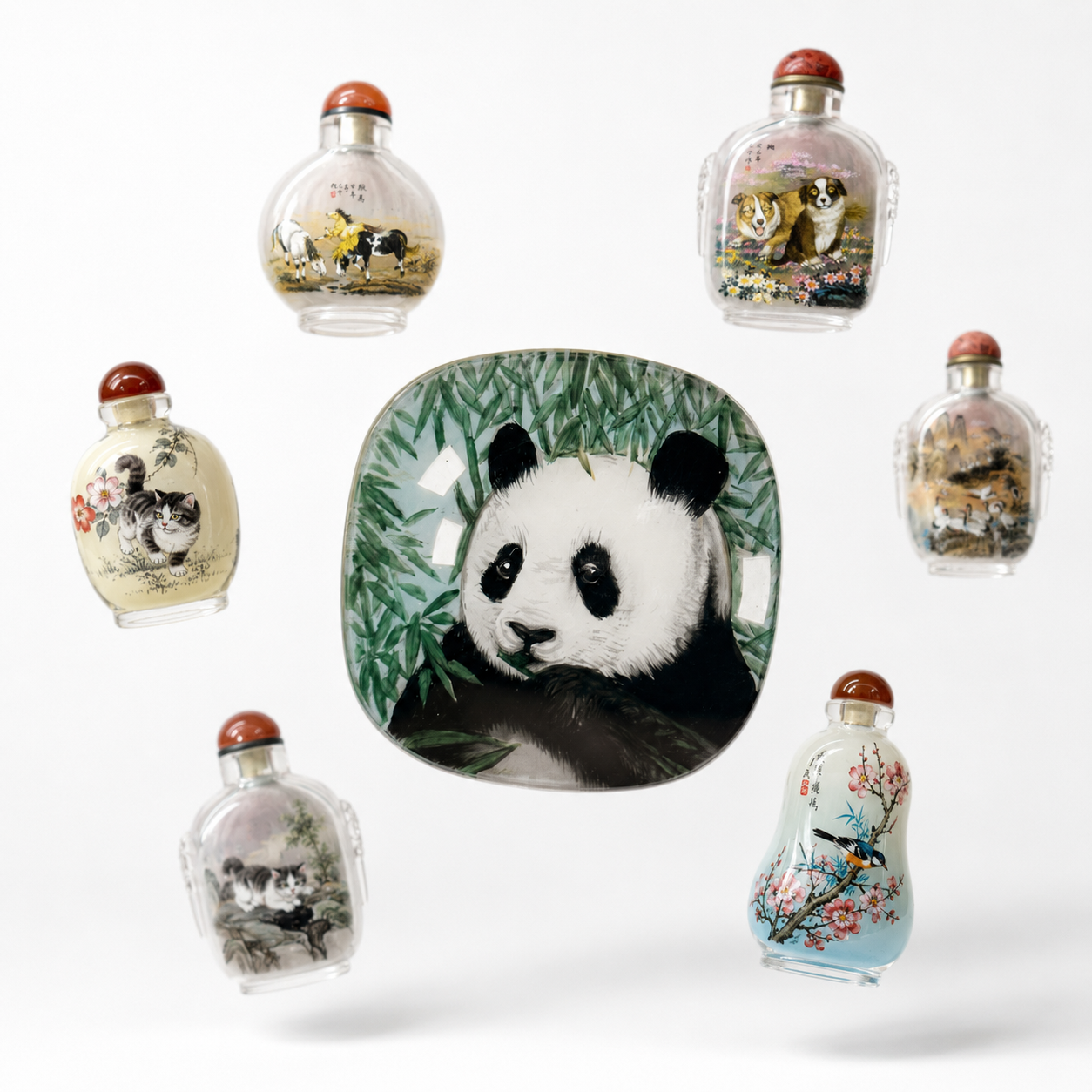
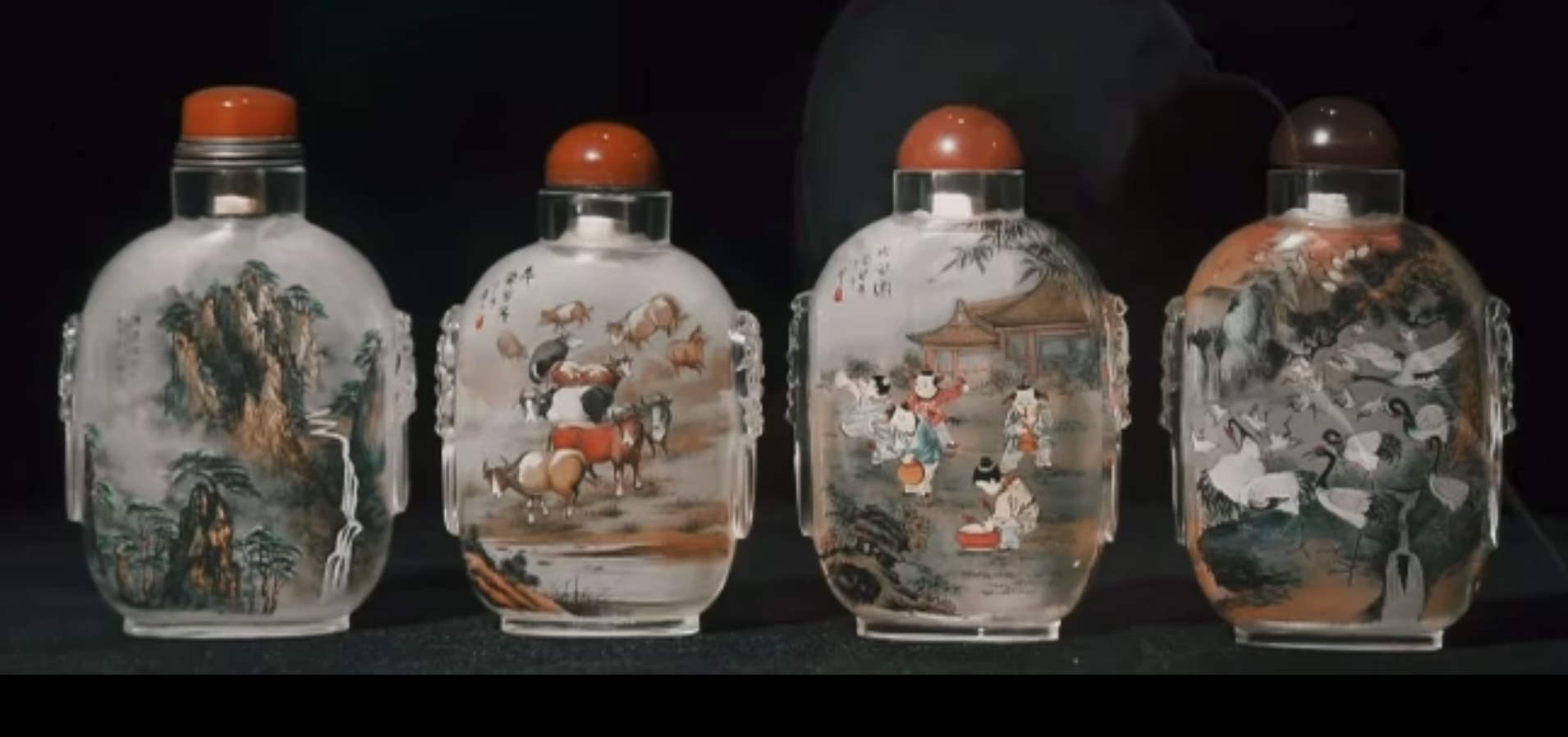
Inner painting is the art of painting in reverse inside small transparent vessels. The artist uses a fine brush, painting the elements closest to the viewer first and building colours, shadows and details behind them. Each composition must be fully planned before the first stroke is placed; once inside, a stroke cannot be modified.
c. 1800
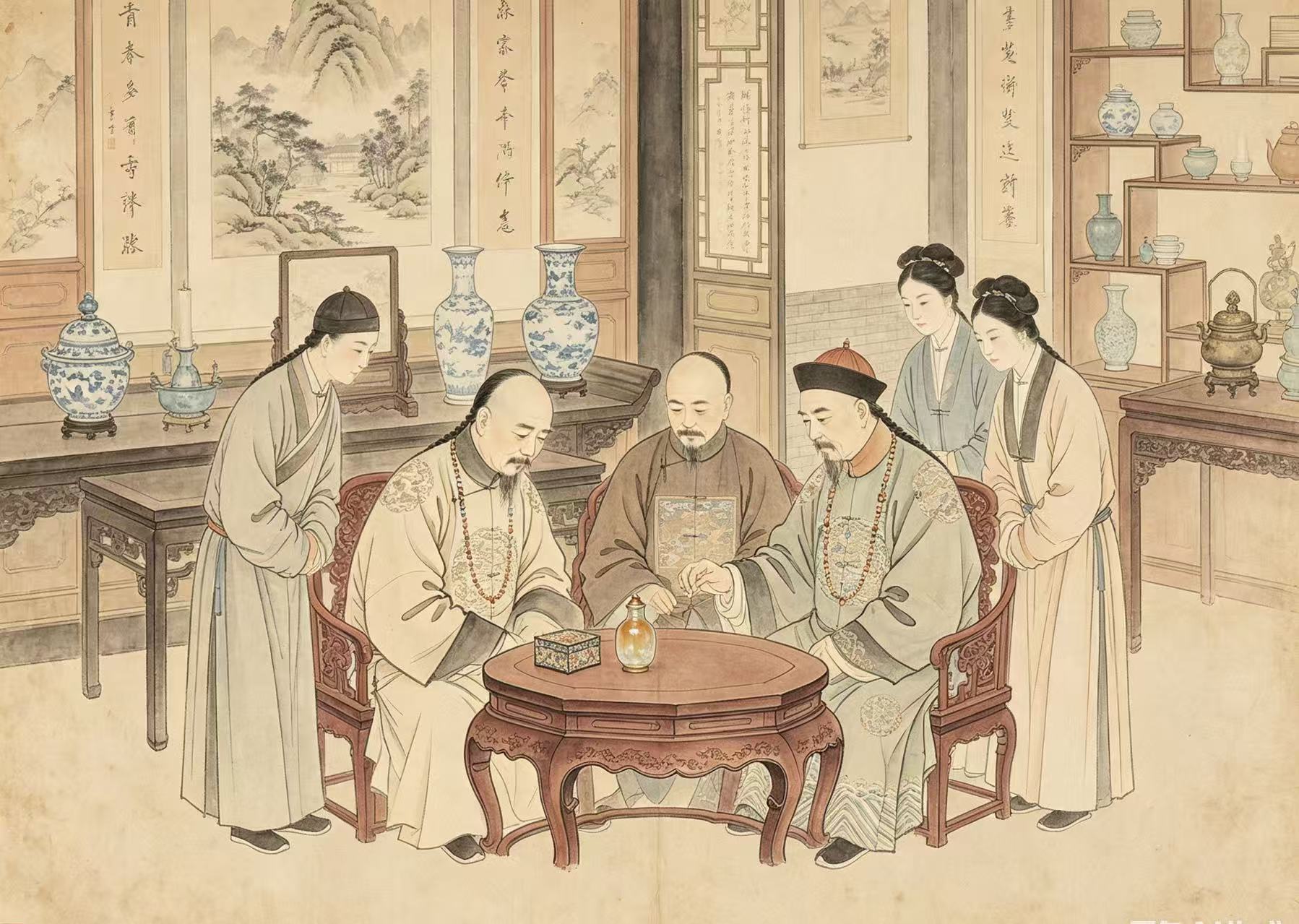
Jiaqing Period, Qing Dynasty
The art of Chinese inner painting formally emerged during the Jiaqing period. The earliest surviving known example dates to around 1816. Inner-painted snuff bottles were difficult to produce and reserved largely for members of the Qing imperial court and aristocracy.
c. 1900
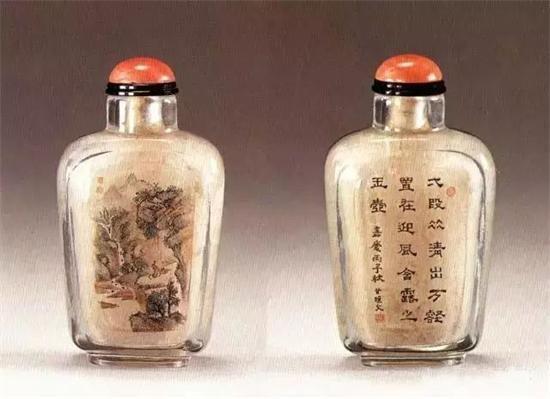
Late Qing Dynasty, Guangxu Period
Inner painting entered its first golden age. The Beijing school reached its height, and the Shandong school was also established during this period.
1950s-1960s
Hebei School
The Hebei school, recognised as the third major tradition of Chinese inner painting, was formally established.
1972
Guangdong School, Shantou
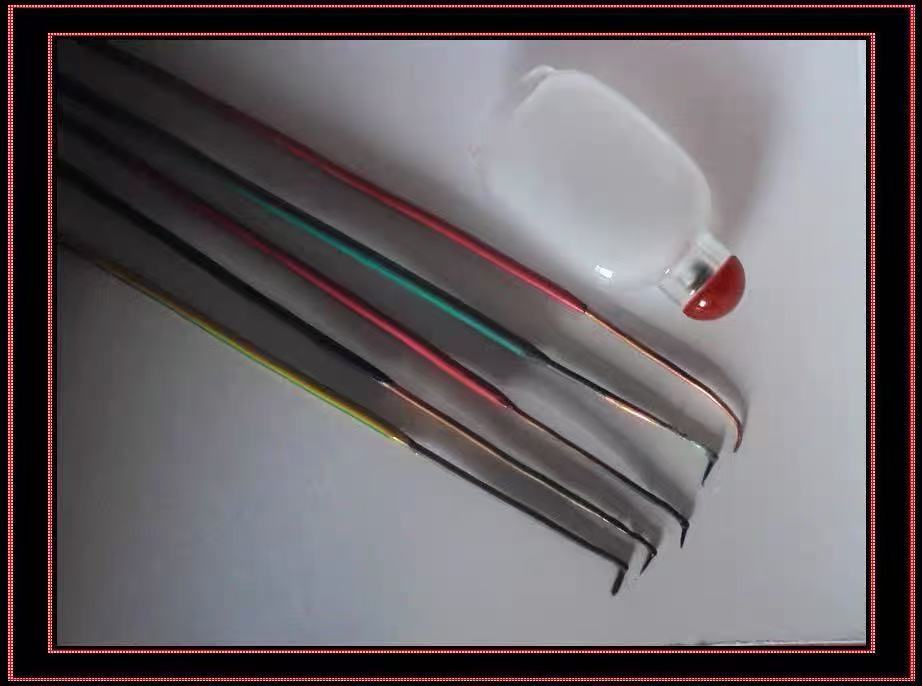
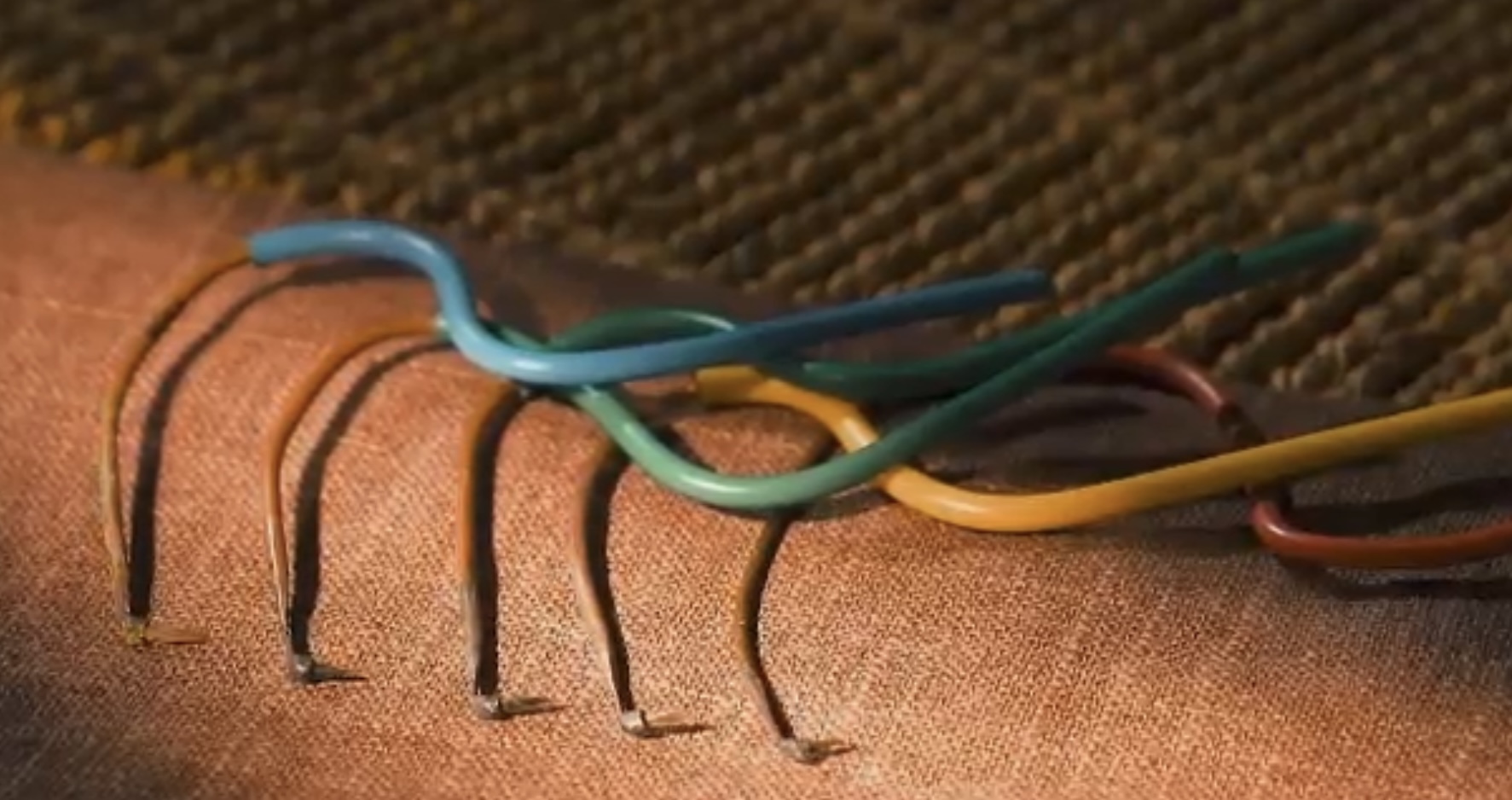
The Guangdong school of inner painting took shape in Shantou under Wu Songling. It developed a specialised bent-tip brush and combined the traditions of the Lingnan school with decorative techniques from Canton enamel, developing a vivid, fluid character.
2008
National Intangible Cultural Heritage
Guangdong inner painting was officially included in the expanded national listing of Intangible Cultural Heritage under Inner Painting (Guangdong Painting), bringing the tradition into China's national framework for cultural protection.
2025-2026
FAYY & The Manman Panda Watch
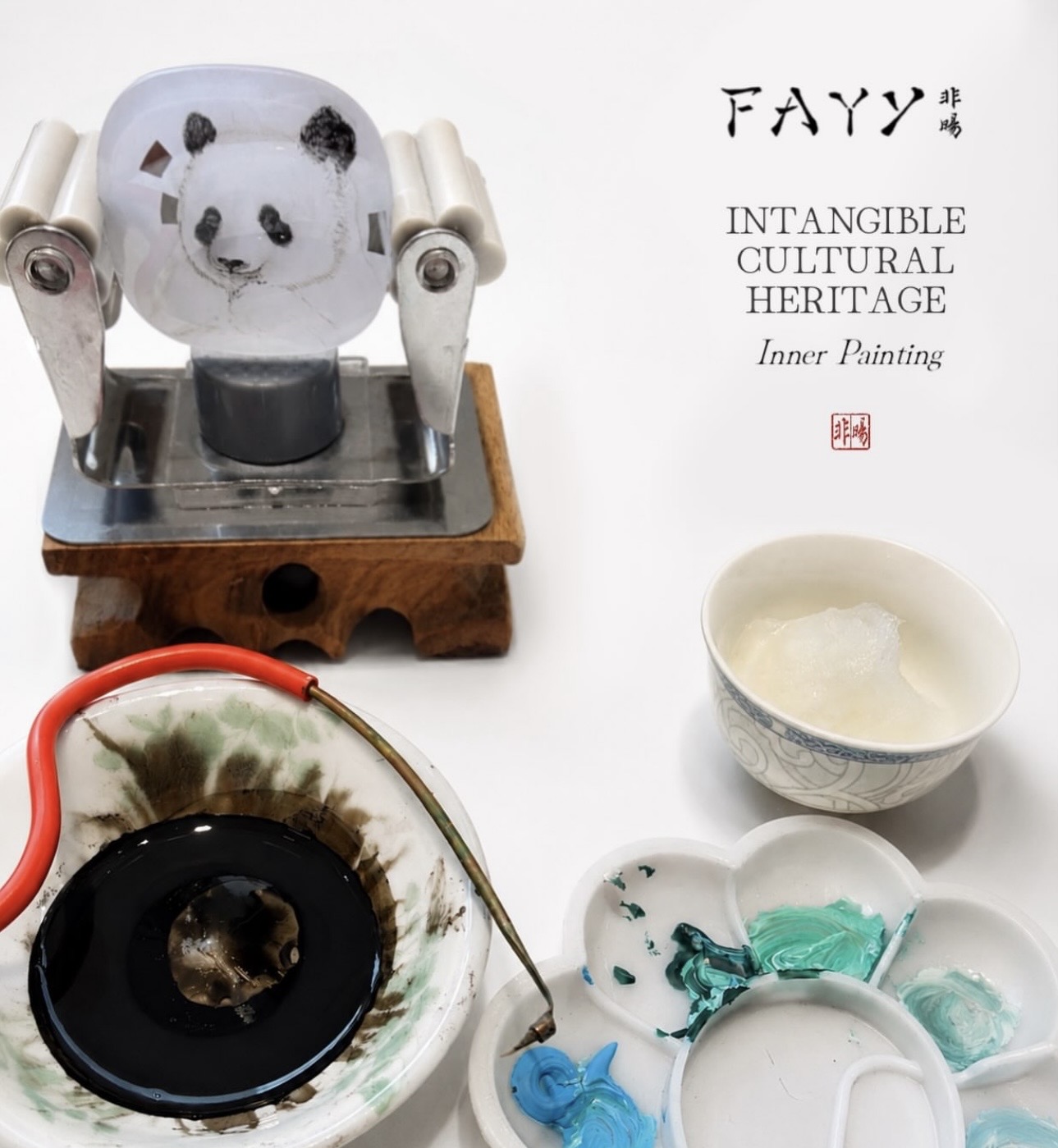
FAYY invited Lai Sijia, a third generation inheritor of the Guangdong school, to bring this recognised intangible cultural heritage into high-end watchmaking. The collaboration resulted in the Manman Panda Watch, bringing over two centuries of inner painting into horology. The Manman Panda Watch was entered in GPHG 2026 in the Artistic Crafts category.
"The image is painted in reverse.
The first stroke becomes the final surface."
A principle of inner painting